Dr Physio Rehab provides professional physiotherapy treatments focused on pain relief, injury recovery, and improving your quality of life.
Heel pain can make walking, standing, and daily activities uncomfortable. Physiotherapy focuses on identifying the cause, reducing pain, restoring movement, and improving function. Whether your heel pain is worst first thing in the morning or builds up after a long day on your feet, understanding what's driving it is the key to relief that lasts, not just temporary comfort.


Heel pain is one of the most common foot complaints, often caused by inflammation, repetitive strain, or poor movement mechanics.
Our physiotherapists assess your gait, footwear, and muscle function to pinpoint the exact source of your pain — then build a plan around it.
Because heel pain often has more than one contributing factor, we take time to assess your gait, footwear, and calf flexibility together — so your treatment plan addresses the real cause, not just the symptom.
Understanding the root cause is the first step toward lasting relief.
Inflammation of the tissue connecting your heel to your toes, often causing sharp pain with the first steps in the morning. This is why the sharp first-step pain in the morning is such a common and telling symptom.
Repetitive impact from walking, running, or standing for long periods can gradually strain the heel and surrounding tissue. Supportive footwear and gradual load management can make a significant difference here.
Tight calf muscles and the Achilles tendon place extra tension on the heel, increasing pain and reducing flexibility. Loosening these structures often brings noticeable relief within the first few sessions.
Improper gait or footwear can shift pressure unevenly across the foot, placing excess strain on the heel over time. Correcting this early can prevent the strain from shifting to other parts of the foot.
Learn how physiotherapy can help reduce pain and restore comfortable movement.
Identify the possible source and contributing factors of the Heel Pain.
Use appropriate physiotherapy techniques to reduce discomfort and improve movement.
Introduce targeted exercises to improve strength, flexibility, and mobility.
Improve movement patterns and provide guidance to reduce the chance of recurring pain.
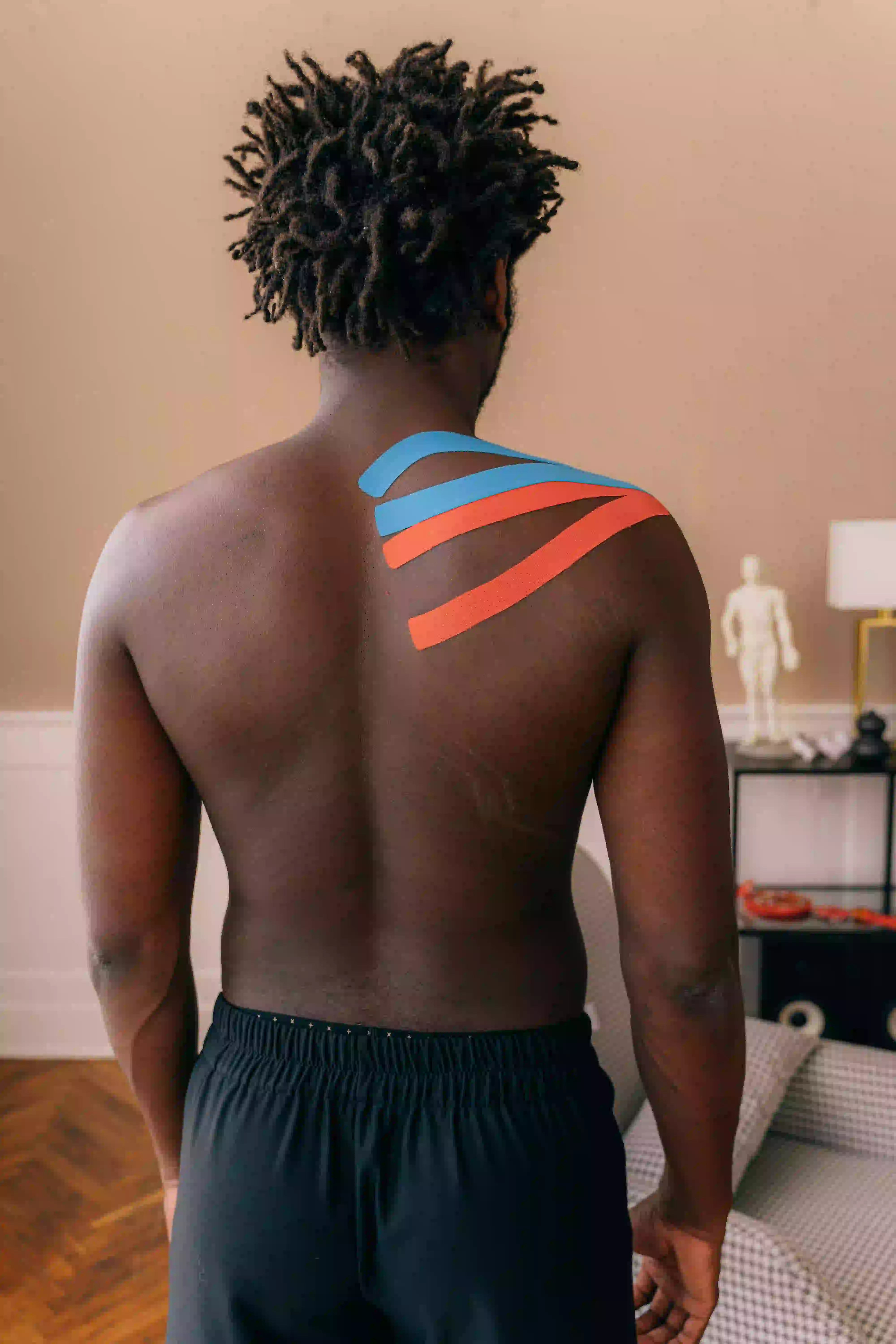
Recovery goes beyond a single session. We guide you through a structured plan built around your body and lifestyle.
Sharp heel pain, especially with the first steps in the morning, is a classic sign of plantar fasciitis. A proper assessment can confirm this and rule out other causes.
Many patients notice improvement within a few weeks of consistent treatment, though full recovery depends on how long the issue has been present.
Supportive, well-cushioned footwear often helps significantly. We can advise on what to look for based on your specific foot mechanics.

Don't let every step become uncomfortable. Get a personalized assessment and treatment plan.
Book an Appointment
Dr Physio Rehab provides professional physiotherapy treatments focused on pain relief, injury recovery, and improving your quality of life.